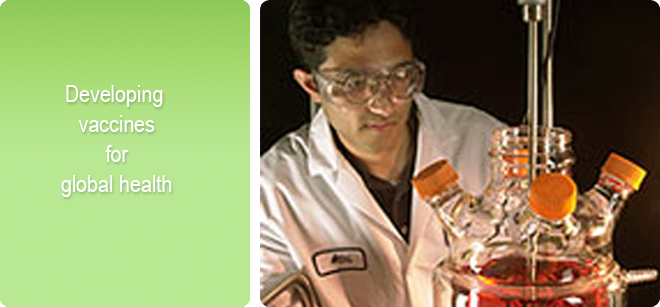
For the developing countries, vaccines have made feasible some of the greatest public health successes in the last decade. The supply of high-impact Immunization helps avert an estimated 2.5 million child deaths each year. Vaccinesmanufacturing laboratories are striving to spread awareness about the up and coming technologies & processes executed in the field of vaccine development. The process of vaccine development involves high investment costs and the facilities require the optimum use of resources. Apart from the cost, there is no dearth of speculations involved when it comes to acquiring high quality and effective vaccinations for the general public. It also requires adequate research and development, quality control and quality assurance in the field of vaccination. However, the investment cost has been an important aspect to maintain world-class infrastructure for vaccine. As resources and facilities for vaccines manufacturing are available in abundance, on the other hand laboratories have to face a number of problems to initiate a research and development in developing countries. In addition, the world’s vaccine market is very small—below 2 percent of the pharmaceutical market—attracting few suppliers.
It has been examined that the prices of traditional
vaccines have decreased significantly. The immunization cost of traditional six vaccines of the Expanded Programme on Immunization
(EPI), measles, diphtheria, pertussis, tetanus, oral polio and BCG has shown a
radical decrease in cost. Because the fixed costs of development of these
vaccines have been covered long ago, and because their production costs have
been lowered due to the learning curve and economies of scale, their prices are
relatively low. In the past years, there
has been excess production capacity of these vaccines as new producers have
entered the market, thus sales at low prices covered the variable costs of
producing extra doses of vaccine, and did not require additional capacity.
Hilleman Laboratories is intended to participate actively
to develop and optimize vaccines for developing countries to ensure healthy
tomorrow while keeping its investment costs in control. The lab understands the
constant need of vaccines by developing countries and for this reason puts more
emphasis on the supply of high impact immunization for kids and even promotes
awareness campaigns in rural areas about how to keep track on immunizationschedule for kids. The lab develops high-impact, thermal stable and cost-effective
pneumococcal vaccine and conjugate vaccine for developing countries. Hilleman Laboratories was set up in 2009,
the first time a research charity joined hands with a drug maker to develop
affordable vaccines to prevent diseases that commonly affect people in
low-income countries. The firm has successfully promoted and supplied a heat
stable, affordable and easy-to-use rotavirus vaccines used to prevent diarrhoea
in children.

Corporate Office and R&D Laboratory

Corporate Office and R&D Laboratory
MSD Wellcome Trust Hilleman
Laboratories Pvt. Ltd.
2nd Floor, Nanotechnology Building, Jamia Hamdard
2nd Floor, Nanotechnology Building, Jamia Hamdard
Hamdard Nagar, New Delhi – 110062 (India)
Ph: +91 11
30997700
Fax: +91 11 30997711
Website: www.hillemanlabs.org

